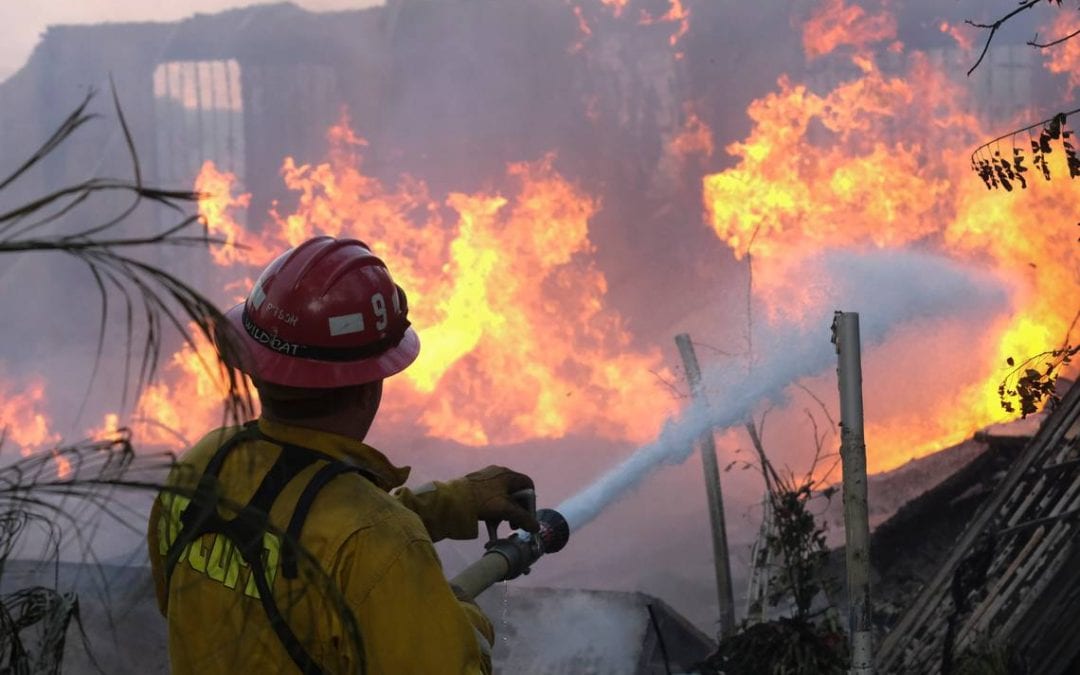
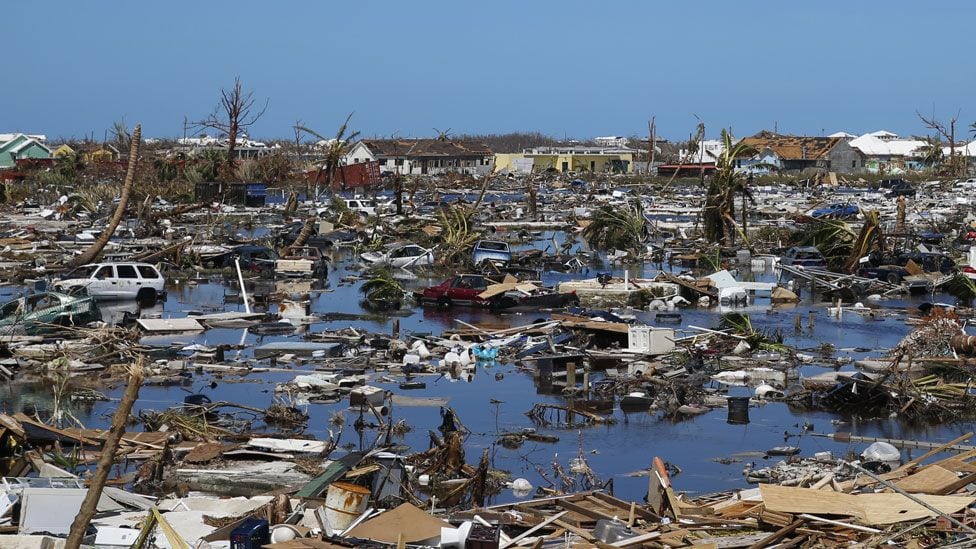
Location is a primary factor in determining who is at risk in an emergency; being able to receive and send information is critical in a wide variety of events. One of the most powerful tools in modern incident management is location-based notifications.
Clear, consistent, and timely communication is crucial in managing disaster response efforts and emergencies. Without proper communication, misinformation and miscommunication can flourish and result in injury or fatalities.
Emergency management, also referred to as disaster management, means preparing for potential incidents and responding to them as quickly, strategically and effectively as possible.
Organisations understand that to continue business travel post-pandemic they must incorporate thorough preparation and detailed planning ahead of any future trips.
Several months of lockdown and isolation can cause damage to our psychological and mental health. Mental health challenges are expected to be far more commonplace in the post-COVID-19 world, and they can have a significant impact on employee productivity and engagement. As companies discuss the possibilities and solutions associated with re-entering the workplace, they must consider the stress and anxiety the recent pandemic has put on their workforce.