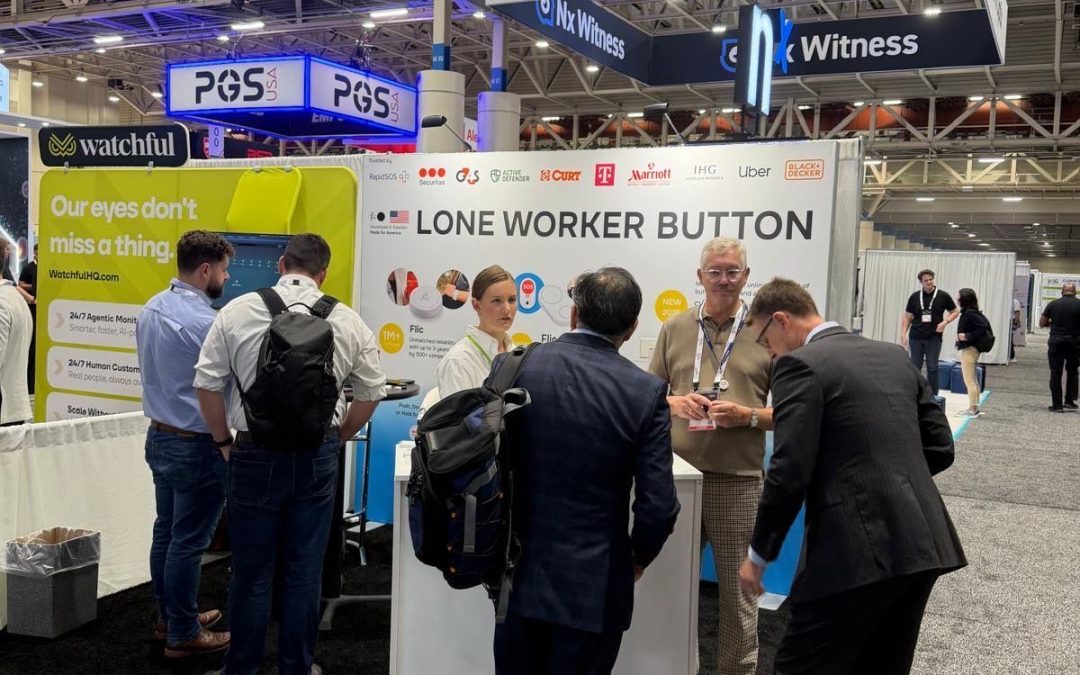
According to the American Hospital Association (AHA)’s June 2025 report, U.S. hospitals and health systems spent an estimated $18.27 billion in 2023 dealing with workplace and community violence.
In the last few years, extreme weather events, port congestion, labour shortages, and geopolitical shocks have revealed just how fragile even the most established supply chain can be. For corporate risk managers, operations directors, and procurement leaders, the conversation has shifted from efficiency to resilience.
Every executive knows that unforeseen events are part of modern business. Yet when a crisis hits, the difference between an organisation that navigates it successfully and one that struggles often comes down to the qualities of its leaders. It is not just about having a plan on paper; it is about inspiring confidence, making decisions under pressure, and adapting quickly when circumstances change.
Discover what most businesses miss in their crisis response — from human behaviour and communication clarity to post-incident care. Learn lessons from UK and US case studies.
When it comes to protecting employees, misconceptions can be just as dangerous as physical hazards. Too many organisations operate under outdated assumptions about what workplace safety really means — and the consequences are costly. From preventable injuries to legal penalties and reputational damage, these myths leave employees exposed and businesses vulnerable.