
UK Lone Worker Safety by the Numbers
When you think about workplace safety, you might picture a busy construction site or a crowded warehouse floor, but some of the highest-risk roles in the UK today are carried out by lone workers.

When you think about workplace safety, you might picture a busy construction site or a crowded warehouse floor, but some of the highest-risk roles in the UK today are carried out by lone workers.

For organisations with staff working remotely or in the field, climate change causes unpredictable events which create new safety risks that demand rapid and flexible response strategies.

Here are the key barriers organizations face when adopting AI for workplace safety—and how to overcome them.

When a serious incident unfolds in the workplace, the focus is rightly on the immediate response – but what happens next often reveals a much deeper problem.
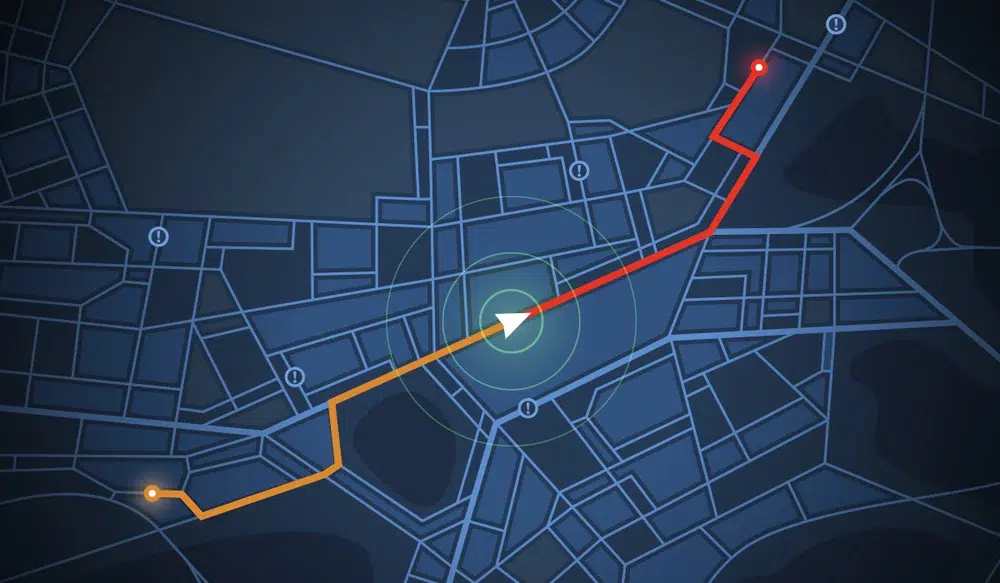
Whether you manage a dispersed team, oversee high-risk operations, or coordinate responses during global incidents, knowing where your people are and being able to act quickly can make all the difference.
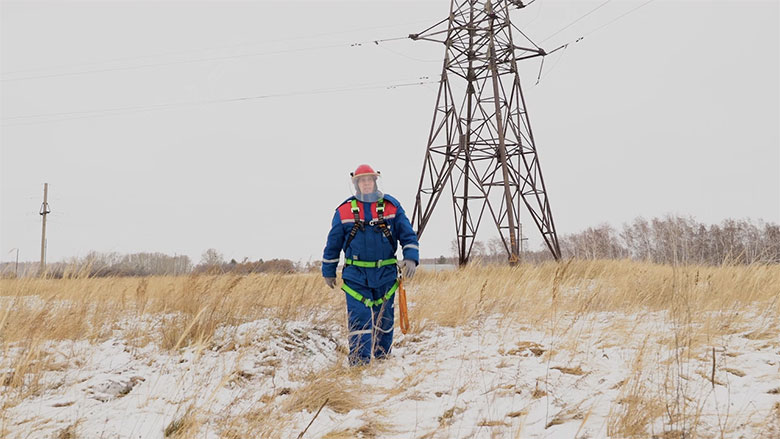
When we think of workplace safety, the conversation often turns to policies, risk assessments, or compliance checklists. But there’s a more powerful driver of safety—one that isn’t documented in any manual: culture.
