When we think of workplace safety, the conversation often turns to policies, risk assessments, or compliance checklists. But there’s a more powerful driver of safety—one that isn’t documented in any manual: culture.
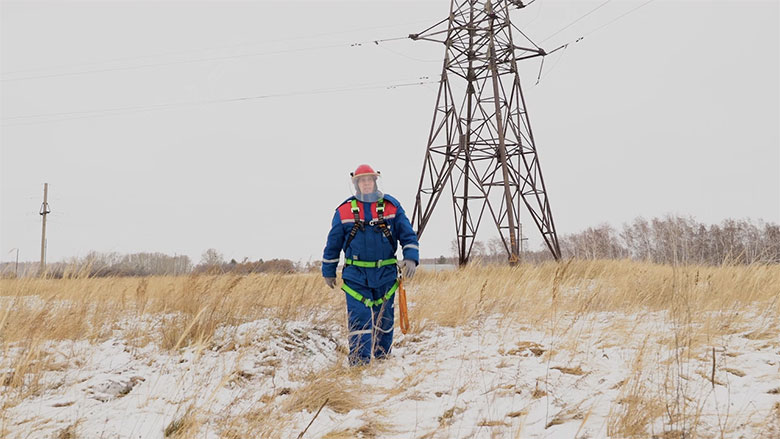
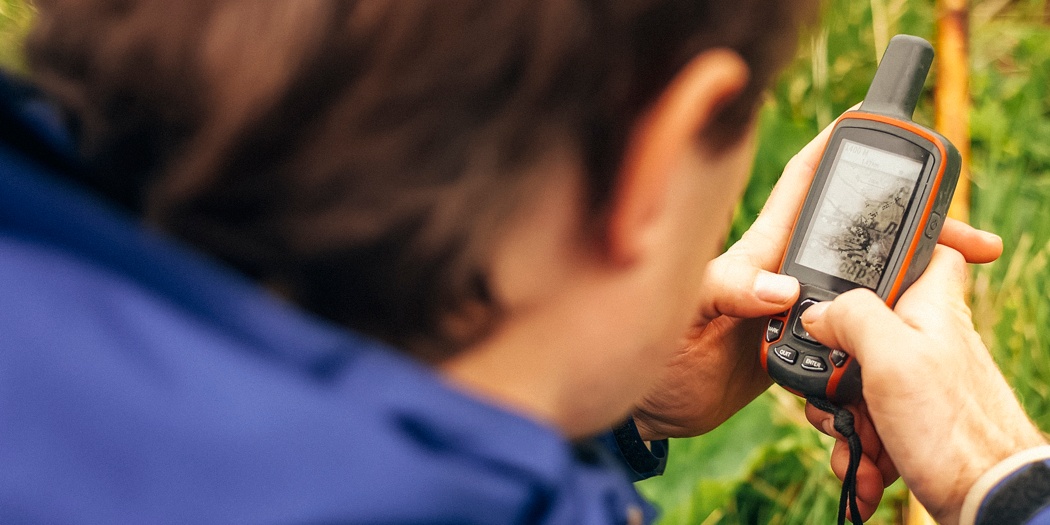
Whether it’s an engineer inspecting power lines, a social worker conducting home visits, or a delivery driver navigating remote terrain, lone and high-risk workers face safety threats that office-based teams rarely encounter.
Protecting people across multiple countries, time zones, and risk environments is no small feat. It’s the kind of responsibility that has safety directors staring at the ceiling at 3 AM, wondering if they’ve covered all the bases.
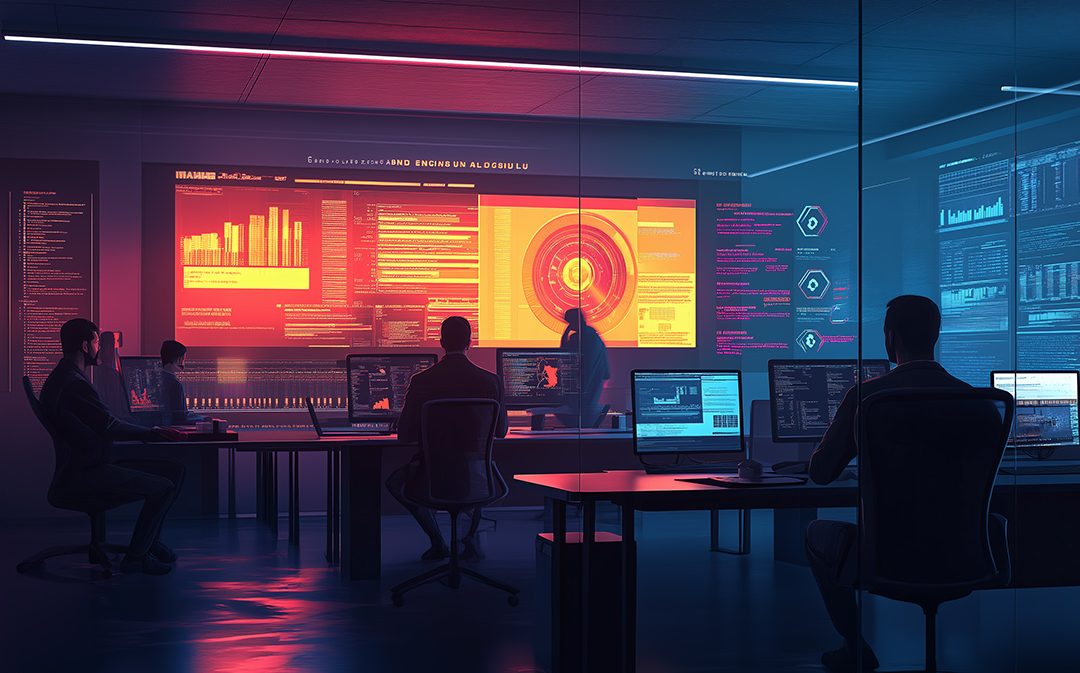
Incident management is undergoing a quiet revolution. It’s no longer just about responding quickly when something goes wrong. It’s about building systems that prevent, predict, and recover from incidents in smarter, more human-centered ways.